


The Difference Between Trading and Investing: Which Is Right for You?
When people first step into the world of financial markets, they often hear two common terms: trading and investing. At first glance, they may sound like the same thing. After all, both involve buying assets such as stocks, commodities, or currencies with the goal of making money. However, in reality, they represent two very different approaches. Each has its own mindset, strategy, level of risk, and timeframe. Choosing between the two depends on your personality, goals, and tolerance for risk.
In this article, we will explore the differences between trading and investing in detail, breaking them down into clear categories, so you can decide which path is best for you.
The biggest difference between trading and investing lies in the time horizon.

Investing is all about the long term. An investor buys and holds assets for years, sometimes decades, with the goal of building wealth gradually. For example, someone might buy shares of a strong company like Apple or Microsoft and hold them for 10 to 20 years, benefiting from steady growth and dividends. Investors believe that, despite short-term fluctuations, the value of good companies and the economy as a whole will increase over time.
Trading, on the other hand, focuses on the short term. A trader is not interested in holding a stock for years. Instead, they want to profit from price movements that happen over hours, days, or weeks. For example, a day trader might buy Tesla stock in the morning and sell it a few hours later after a price jump. The focus is on speed and capturing small gains repeatedly.
This time difference shapes everything else—from strategies to risk management.
Level of Risk and Reward
Both trading and investing carry risk, but the type and intensity differ.
Investing tends to have lower risk when viewed long-term. While the market may experience downturns, history shows that stock markets generally rise over time. The risk for investors comes from short-term volatility and the possibility of choosing the wrong company. But with diversification (spreading money across many assets), long-term investors reduce these risks.
Trading involves higher risk. Prices can change dramatically in short periods, and traders often use leverage (borrowing money to increase position size). While leverage can multiply profits, it can also magnify losses. For example, a trader could double their account in a week—or lose it all just as fast.
Simply put: investors accept slower, steadier gains, while traders take bigger risks in exchange for potentially faster rewards.
Knowledge and Skills Required
The skill sets for traders and investors are quite different.
Investors focus on fundamental analysis. They study company earnings, balance sheets, industry trends, and overall economic conditions. An investor asks questions like: Is this company profitable? Does it have a competitive advantage? Is the economy favorable for this industry?
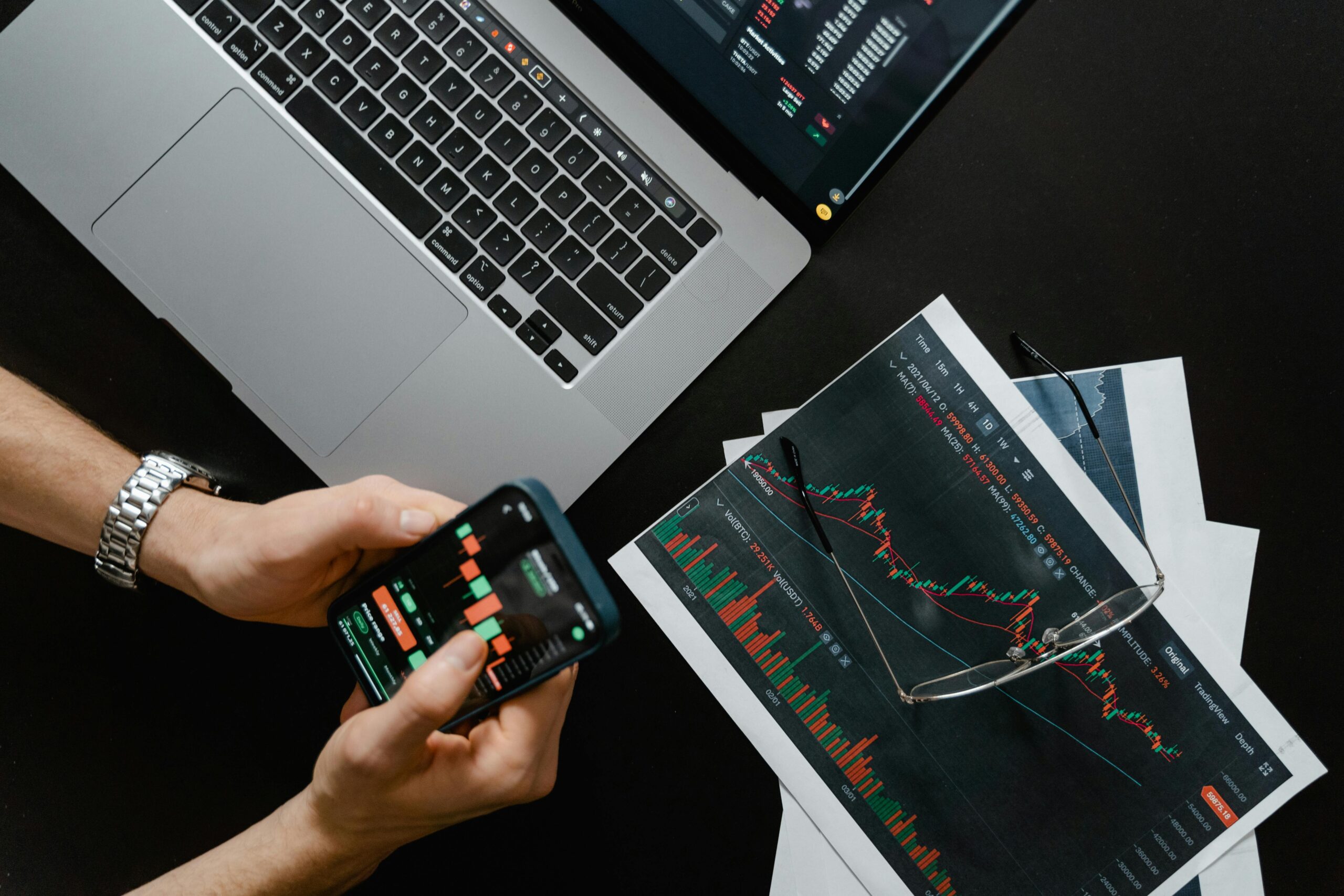
Traders rely more on technical analysis. They look at charts, price patterns, and indicators such as moving averages or the Relative Strength Index (RSI). Traders are less concerned about whether a company is profitable in 10 years—they care about whether its price is likely to go up tomorrow.
Both approaches require education, discipline, and practice, but the mindset is very different.
Capital Requirements and Costs
Investing can start with relatively small amounts. Thanks to index funds, ETFs, and fractional shares, someone can invest with just a few dollars. Since investors don’t buy and sell frequently, transaction costs are low.
Trading often requires larger amounts of capital. Traders need enough money to manage risks, cover potential losses, and pay for frequent transactions. Every trade has a cost, whether through commissions, spreads, or fees. Over time, these expenses can add up.
For example, an investor might buy $1,000 worth of a stock and hold it for 10 years, paying almost no additional fees. A trader, however, could open 50 trades in a single month, with each trade costing a small fee.